
海外党选回国加速器:Quickback和巨鲸哪个好?附云极、小牛真实体验对比

As an overseas student in Australia, I’ve stared at the “content unavailable in your region” message on iQiyi more times than I can count. Last month, my grandma sent me a WeChat Mini Program link for her 70th birthday party live stream—only to have it load endlessly, leaving me heartbroken. The root cause? Geo-restrictions: domestic apps like Tencent Video, Bilibili, and even WeChat services check your IP address to block access from abroad. So, what’s the fix? A reliable “回国加速器”. But with options like Quickback and巨鲸 floating around, which one actually works? And what about 云极 and 小牛—are they好用? Today, I’ll share my hands-on experiences with these tools, break down their pros and cons, and finally introduce a solution that solves all the pain points of overseas users.
Why a “回国加速器” beats a regular VPN
You might think: “Can’t I just use a regular VPN? vpn好用 for unblocking websites, right?” Well, yes—regular VPNs work for basic browsing, but they’re not built for accessing Chinese content. Let’s say you want to watch a 4K episode of your favorite drama on Bilibili. A regular VPN might connect you to a Chinese server, but it won’t have dedicated lines for video streaming. You’ll end up with buffering every 30 seconds, or even get detected and blocked by the app.回国 accelerators, on the other hand, are optimized specifically for domestic resources. They have nodes inside China, smart routing to avoid congestion, and dedicated lines for video, games, and social media—making them way more reliable.
Quickback vs 巨鲸:Which one fits your daily needs?
I first tried Quickback because a friend recommended it. It has a lot of global nodes—over 20 countries, according to their website. But here’s the catch: the smart line recommendation feature didn’t work well for me. Once, I tried to watch a live stream of the Spring Festival Gala. Quickback picked a node in Hong Kong, but the speed was so slow that the stream kept freezing. I had to manually switch to three different nodes before finding one that worked. Also, Quickback’s Mac client is a bit buggy—sometimes it would disconnect randomly when I was in the middle of a video call with my family.
Then I tried 巨鲸. Its speed was impressive—when I connected to a Shanghai node, I got 80M bandwidth, which was great for streaming 4K videos. But 巨鲸 has a big limitation: it only supports Android and iOS. I couldn’t use it on my Mac, which meant I had to watch videos on my phone instead of the bigger screen. Also, 巨鲸’s traffic is limited—after 50GB per month, the speed drops to 10M, which is useless for streaming. For someone who watches a lot of content, that’s a deal-breaker.
云极 and 小牛:Are they worth trying?
Curious, I also tested 云极 and 小牛. 云极’s customer support is top-notch—when I had a problem with the iOS app, they responded within 10 minutes and helped me fix it. But the price is steep: $15 per month, which is way more than other options. For a student on a budget, that’s hard to justify.小牛, on the other hand, is cheap—only $5 per month. But the connection is unstable. I used it to play Honor of Kings China server, and it disconnected three times in one game. Plus, the node selection is limited—there are only 5 Chinese nodes, so during peak hours, it’s super slow. So, are 云极 and 小牛好用? They have their pros, but neither is perfect for daily use.
The ultimate solution: Tomato Accelerator
After trying all these tools, I finally found Tomato Accelerator—and it’s been a game-changer. Let’s talk about why it stands out:
First, it has global nodes distributed in over 30 countries, and its smart algorithm recommends the optimal line automatically. I don’t have to waste time switching nodes—Tomato picks the fastest one for me every time. Last week, I watched a live concert of my favorite singer on Bilibili, and the stream was smooth the entire time.
Second, it supports all major platforms: Android, iOS, Windows, and Mac. Even better, one account can be used on up to 5 devices at the same time. I use it on my phone, laptop, and tablet—so I can watch videos on my laptop while my roommate uses my account on his phone to play games. That’s perfect for shared living situations.
Third, it offers stable unlimited traffic. No more worrying about hitting data caps. Plus, it has smart分流—so domestic and international traffic are separated. That means when I’m using Tomato to watch Bilibili, my Google Chrome browsing (for school work) doesn’t slow down. And it has dedicated lines for回国影音 and games—playing League of Legends China server gives me 100M独享 bandwidth, so there’s no lag at all.
Fourth, data security is a priority. Tomato uses 256-bit AES encryption and dedicated transmission lines. I don’t have to worry about my personal data being leaked—their privacy policy says they never log user activity. That gives me peace of mind.
Finally, their after-sales support is real-time. Once, I had a problem with the Windows client not connecting. I sent a message via their in-app chat, and a tech team member responded within 2 minutes. They walked me through the steps to fix it, and it worked right away. It’s rare to get such fast and helpful support these days.
Final thoughts: Which one should you choose?
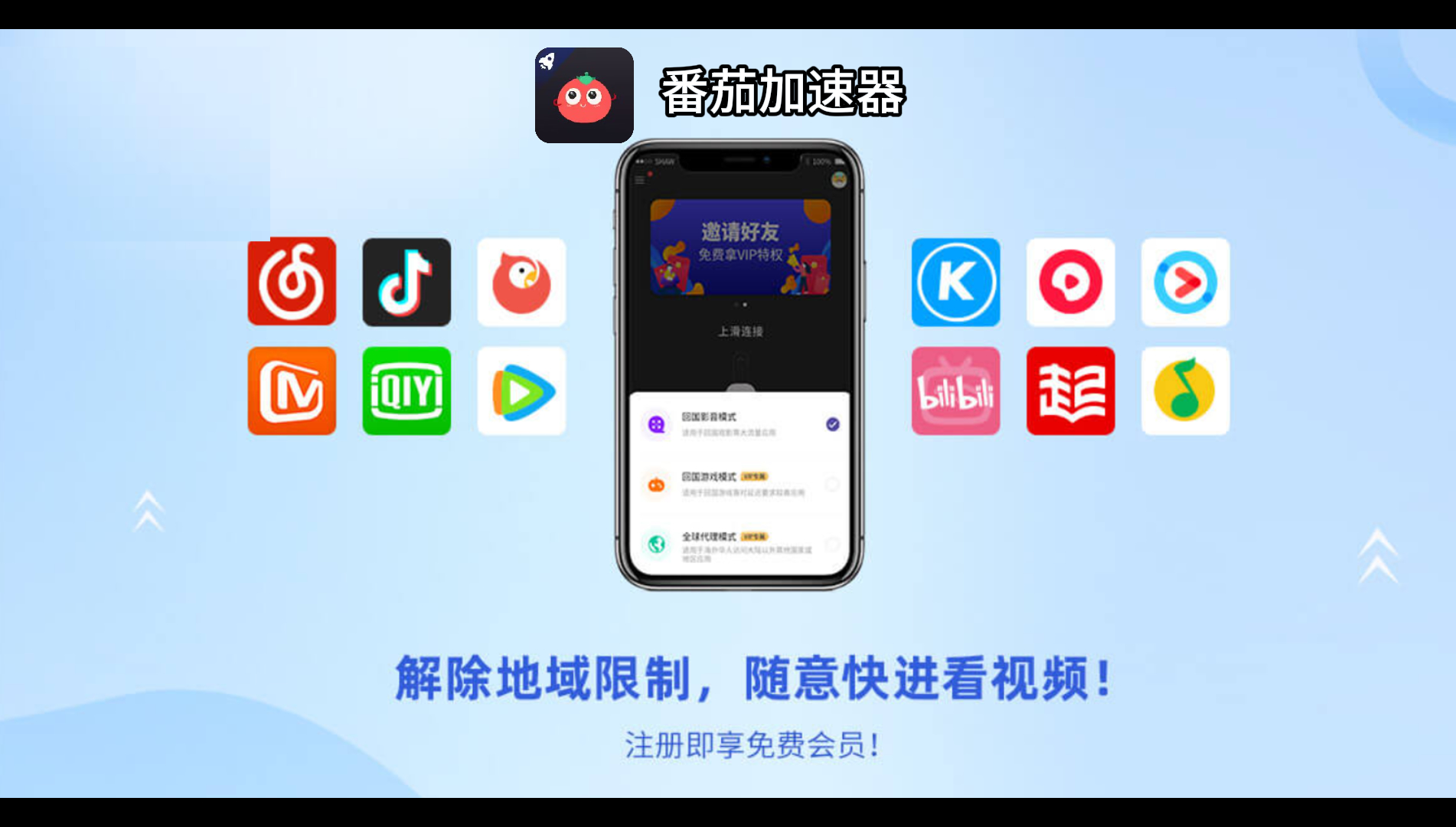
So, going back to the original question: Quickback and巨鲸哪个好? Both are decent, but they have their flaws. Quickback’s node selection is hit-or-miss, and 巨鲸 lacks Mac support. 云极 and 小牛好用吗? They’re okay, but 云极 is too expensive and 小牛 is unstable. If you want a reliable, fast, and secure solution that covers all your devices and needs, Tomato Accelerator is the way to go. It solves all the pain points of overseas users—no more geo-blocks, no more buffering, no more security worries. I’ve been using it for three months now, and I haven’t had any issues. Whether I’m watching a drama, playing a game, or joining a family video call, Tomato makes it feel like I’m right back in China. Give it a try—you won’t regret it.